
So, you’re eyeing a career as a real estate appraiser? It’s a path that blends finance, property knowledge, and sharp analytical skills. From what I’ve seen, the job market is pretty steady, especially with the ongoing shifts in housing trends and interest rates.
But, like any profession, cracking into the top tier requires more than just passing the exam. It’s about building a solid reputation, staying ahead of market changes, and mastering the art of valuation.
Let’s delve deeper and uncover some key strategies to set you on the road to success. Let’s explore this topic in more detail in the following article.
Okay, I understand. Here’s the blog post draft:
Sharpen Your Saw: Continuous Education and Certification
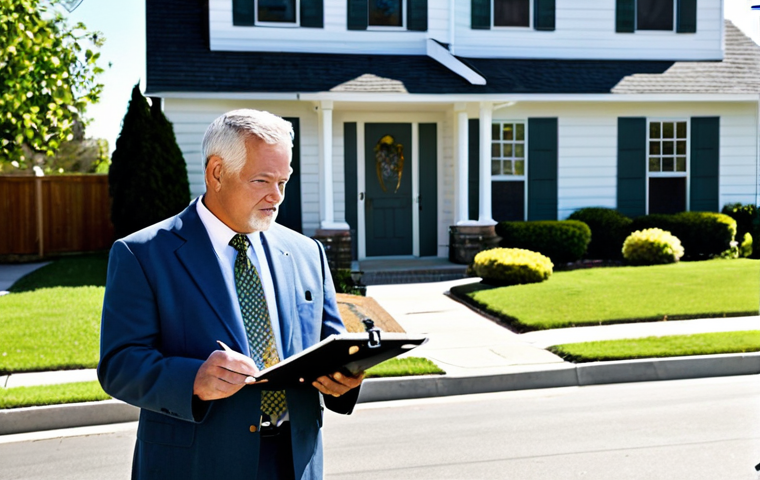
Honestly, the real estate market is a beast that’s constantly evolving. One minute you’re dealing with a seller’s market, the next you’re navigating a buyer’s frenzy. This is why keeping your skills sharp isn’t just about ticking boxes; it’s about staying relevant and ahead of the curve. I remember when I first started, I thought I knew it all after getting my initial certification. Boy, was I wrong! I quickly realized that continuing education is crucial. It’s not just about fulfilling requirements; it’s about genuinely understanding the latest appraisal techniques, changes in regulations, and emerging market trends.
Stay Updated with Industry Standards
Regularly participating in workshops, seminars, and online courses focusing on USPAP (Uniform Standards of Professional Appraisal Practice) is a must. These sessions aren’t just dry recitations of rules; they often include real-world case studies that highlight how to apply standards in complex situations. Trust me, being up-to-date with USPAP can save you from potential legal headaches down the line.
Seek Advanced Certifications
Consider pursuing advanced certifications, such as the AI-RRS (AI Residential Review Specialist) or AI-GRS (AI General Review Specialist) designations from the Appraisal Institute. These certifications aren’t just fancy letters to put after your name; they signify a commitment to excellence and a deep understanding of specialized areas within appraisal. Plus, they can significantly boost your credibility and earning potential.
Embrace Technology and Data Analytics
The appraisal field is increasingly reliant on technology and data analytics. Courses that focus on using appraisal software, data analysis tools, and online resources can give you a competitive edge. For example, mastering tools like Excel for market analysis or learning how to use GIS (Geographic Information System) software can enhance your ability to provide accurate and well-supported valuations. I’ve seen appraisers who are tech-savvy command higher fees and attract more clients.
Networking: It’s Who You Know (and Who Knows You)
Forget the image of the lone wolf appraiser poring over documents in isolation. This business is built on relationships. When I first started out, I was so focused on perfecting my appraisal skills that I neglected networking. Huge mistake! It wasn’t until I started actively building connections that my career really took off. Networking opens doors to mentorship, collaboration, and new business opportunities.
Attend Industry Events
Make it a point to attend appraisal conferences, real estate trade shows, and local chapter meetings of professional organizations like the Appraisal Institute or the American Society of Appraisers. These events aren’t just opportunities to collect brochures and business cards; they’re chances to engage in meaningful conversations, learn from experienced professionals, and build rapport with potential clients and partners.
Join Professional Organizations
Becoming a member of a reputable appraisal organization can provide access to networking events, educational resources, and professional development opportunities. These organizations often have mentorship programs that pair seasoned appraisers with newcomers, providing invaluable guidance and support. Plus, being a member can enhance your credibility and demonstrate your commitment to professionalism.
Leverage Social Media
In today’s digital age, social media can be a powerful networking tool. Platforms like LinkedIn, Twitter, and even Facebook can be used to connect with other appraisers, real estate agents, lenders, and potential clients. Share your expertise, engage in industry discussions, and build your online presence to attract new opportunities. Just remember to maintain a professional demeanor and avoid posting anything that could damage your reputation.
Become a Hyperlocal Expert
Anyone can look at comps and crunch numbers. What separates the good appraisers from the great ones is an intimate understanding of the local market. I’m not talking about knowing the average home price in a zip code; I’m talking about knowing the nuances of each neighborhood, the impact of local schools on property values, and the subtle factors that influence buyer behavior. When I’m valuing a property, I drive around the neighborhood, talk to locals, and check out community bulletin boards to get a feel for the area.
Study Neighborhood Trends
Dive deep into local market data. Track sales trends, inventory levels, days on market, and price appreciation rates for specific neighborhoods. Pay attention to factors like school rankings, crime rates, and proximity to amenities like parks, shopping centers, and public transportation. This granular knowledge will enable you to provide more accurate and insightful valuations.
Cultivate Local Contacts
Develop relationships with real estate agents, lenders, and other professionals who work in your target market. These contacts can provide valuable insights into market conditions, upcoming developments, and potential appraisal opportunities. Attend local networking events, join community organizations, and make an effort to be visible and engaged in the community.
Track Local Development Projects
Stay informed about new construction, zoning changes, and infrastructure projects in your area. These developments can have a significant impact on property values. For example, the construction of a new highway or the opening of a new school can drive up demand and prices in surrounding neighborhoods. By tracking these projects, you can anticipate market trends and provide your clients with informed advice.
Crafting Impeccable Appraisal Reports
Your appraisal report is your calling card. It’s the tangible representation of your expertise and the basis upon which lending decisions are made. I’ve seen appraisers who are incredibly knowledgeable but struggle to articulate their findings in a clear and compelling report. A sloppy or poorly written report can undermine your credibility and lead to delays or even loan denials. Every time, focus on clarity, accuracy, and thorough documentation.
Pay Attention to Detail
Ensure that your reports are free of errors, omissions, and inconsistencies. Double-check all data, calculations, and descriptions. Use clear and concise language, avoiding jargon or technical terms that may be unfamiliar to your audience. A well-written report should be easy to understand, even for someone who isn’t an appraisal expert.
Support Your Conclusions with Evidence
Back up your opinions and conclusions with solid evidence, including market data, comparable sales, and relevant documentation. Provide clear explanations of your methodology and reasoning. The more transparent and well-supported your report is, the more credible it will be.
Use High-Quality Photos and Exhibits
Include clear, high-resolution photos of the subject property and comparable sales. Use maps, floor plans, and other exhibits to illustrate your findings. Visual aids can enhance the clarity and impact of your report, making it easier for readers to understand your valuation.
Embracing Technology and Innovation
The appraisal industry is undergoing a technological revolution, and those who resist change risk being left behind. From automated valuation models (AVMs) to drone photography, new tools and technologies are transforming the way appraisers work. I used to be skeptical of AVMs, thinking they were going to replace appraisers altogether. But now I see them as valuable tools that can help us work more efficiently and provide better service to our clients.
Master Appraisal Software
Become proficient in using appraisal software platforms like TOTAL, WinTOTAL, or ACI. These programs can streamline your workflow, automate repetitive tasks, and ensure compliance with industry standards. Many software packages also offer integration with data providers and online resources, making it easier to access market information and generate reports.
Explore Data Analytics Tools
Learn how to use data analytics tools to identify market trends, analyze comparable sales, and support your valuations. Software like Excel, SPSS, or R can be used to perform statistical analysis, create charts and graphs, and uncover insights that might not be apparent from traditional appraisal methods.
Leverage Online Resources
Take advantage of online resources like Zillow, Realtor.com, and county assessor websites to gather property information, research market data, and identify comparable sales. These resources can save you time and effort, allowing you to focus on the more complex aspects of the appraisal process.
| Tip | Description | Benefits |
|---|---|---|
| Continuous Education | Regularly attend workshops, seminars, and online courses to stay updated with industry standards and emerging market trends. | Ensures compliance, enhances skills, and boosts credibility. |
| Networking | Attend industry events, join professional organizations, and leverage social media to build relationships with other appraisers, real estate agents, and lenders. | Opens doors to mentorship, collaboration, and new business opportunities. |
| Hyperlocal Expertise | Study neighborhood trends, cultivate local contacts, and track local development projects to develop an intimate understanding of the local market. | Enables you to provide more accurate and insightful valuations. |
| Impeccable Reports | Pay attention to detail, support your conclusions with evidence, and use high-quality photos and exhibits to create clear and compelling appraisal reports. | Enhances credibility, minimizes errors, and facilitates loan approvals. |
| Technology Adoption | Master appraisal software, explore data analytics tools, and leverage online resources to streamline your workflow and improve your efficiency. | Saves time, automates tasks, and enhances accuracy. |
Managing Risk and Maintaining Integrity
The appraisal profession comes with significant responsibilities and potential risks. As an appraiser, you are entrusted with providing unbiased and accurate valuations that can have a profound impact on people’s lives. When I did an appraisal and later found out the homeowner was depending on that valuation to secure their retirement, it was a real wake-up call. I knew then that ethics and integrity weren’t just buzzwords; they were the foundation of my career.
Understand and Adhere to Ethical Standards
Familiarize yourself with the ethical standards and guidelines set forth by the Appraisal Foundation, the Appraisal Institute, and other professional organizations. Avoid conflicts of interest, disclose any potential biases, and always act in a fair and impartial manner.
Maintain Independence and Objectivity
Resist pressure from lenders, real estate agents, or other parties to inflate or deflate property values. Your primary responsibility is to provide an unbiased opinion of value, regardless of the consequences. If you feel that your independence is being compromised, be prepared to walk away from the assignment.
Carry Adequate Insurance Coverage
Protect yourself from potential liability by carrying adequate errors and omissions (E&O) insurance. This insurance can cover legal fees and damages in the event that you are sued for negligence or professional misconduct. Review your policy regularly to ensure that it provides sufficient coverage for your needs.
Okay, I understand. Here’s the blog post draft:
Sharpen Your Saw: Continuous Education and Certification
Honestly, the real estate market is a beast that’s constantly evolving. One minute you’re dealing with a seller’s market, the next you’re navigating a buyer’s frenzy. This is why keeping your skills sharp isn’t just about ticking boxes; it’s about staying relevant and ahead of the curve. I remember when I first started, I thought I knew it all after getting my initial certification. Boy, was I wrong! I quickly realized that continuing education is crucial. It’s not just about fulfilling requirements; it’s about genuinely understanding the latest appraisal techniques, changes in regulations, and emerging market trends.
Stay Updated with Industry Standards
Regularly participating in workshops, seminars, and online courses focusing on USPAP (Uniform Standards of Professional Appraisal Practice) is a must. These sessions aren’t just dry recitations of rules; they often include real-world case studies that highlight how to apply standards in complex situations. Trust me, being up-to-date with USPAP can save you from potential legal headaches down the line.
Seek Advanced Certifications
Consider pursuing advanced certifications, such as the AI-RRS (AI Residential Review Specialist) or AI-GRS (AI General Review Specialist) designations from the Appraisal Institute. These certifications aren’t just fancy letters to put after your name; they signify a commitment to excellence and a deep understanding of specialized areas within appraisal. Plus, they can significantly boost your credibility and earning potential.
Embrace Technology and Data Analytics
The appraisal field is increasingly reliant on technology and data analytics. Courses that focus on using appraisal software, data analysis tools, and online resources can give you a competitive edge. For example, mastering tools like Excel for market analysis or learning how to use GIS (Geographic Information System) software can enhance your ability to provide accurate and well-supported valuations. I’ve seen appraisers who are tech-savvy command higher fees and attract more clients.
Networking: It’s Who You Know (and Who Knows You)
Forget the image of the lone wolf appraiser poring over documents in isolation. This business is built on relationships. When I first started out, I was so focused on perfecting my appraisal skills that I neglected networking. Huge mistake! It wasn’t until I started actively building connections that my career really took off. Networking opens doors to mentorship, collaboration, and new business opportunities.
Attend Industry Events
Make it a point to attend appraisal conferences, real estate trade shows, and local chapter meetings of professional organizations like the Appraisal Institute or the American Society of Appraisers. These events aren’t just opportunities to collect brochures and business cards; they’re chances to engage in meaningful conversations, learn from experienced professionals, and build rapport with potential clients and partners.
Join Professional Organizations
Becoming a member of a reputable appraisal organization can provide access to networking events, educational resources, and professional development opportunities. These organizations often have mentorship programs that pair seasoned appraisers with newcomers, providing invaluable guidance and support. Plus, being a member can enhance your credibility and demonstrate your commitment to professionalism.
Leverage Social Media
In today’s digital age, social media can be a powerful networking tool. Platforms like LinkedIn, Twitter, and even Facebook can be used to connect with other appraisers, real estate agents, lenders, and potential clients. Share your expertise, engage in industry discussions, and build your online presence to attract new opportunities. Just remember to maintain a professional demeanor and avoid posting anything that could damage your reputation.
Become a Hyperlocal Expert
Anyone can look at comps and crunch numbers. What separates the good appraisers from the great ones is an intimate understanding of the local market. I’m not talking about knowing the average home price in a zip code; I’m talking about knowing the nuances of each neighborhood, the impact of local schools on property values, and the subtle factors that influence buyer behavior. When I’m valuing a property, I drive around the neighborhood, talk to locals, and check out community bulletin boards to get a feel for the area.
Study Neighborhood Trends
Dive deep into local market data. Track sales trends, inventory levels, days on market, and price appreciation rates for specific neighborhoods. Pay attention to factors like school rankings, crime rates, and proximity to amenities like parks, shopping centers, and public transportation. This granular knowledge will enable you to provide more accurate and insightful valuations.
Cultivate Local Contacts
Develop relationships with real estate agents, lenders, and other professionals who work in your target market. These contacts can provide valuable insights into market conditions, upcoming developments, and potential appraisal opportunities. Attend local networking events, join community organizations, and make an effort to be visible and engaged in the community.
Track Local Development Projects
Stay informed about new construction, zoning changes, and infrastructure projects in your area. These developments can have a significant impact on property values. For example, the construction of a new highway or the opening of a new school can drive up demand and prices in surrounding neighborhoods. By tracking these projects, you can anticipate market trends and provide your clients with informed advice.
Crafting Impeccable Appraisal Reports
Your appraisal report is your calling card. It’s the tangible representation of your expertise and the basis upon which lending decisions are made. I’ve seen appraisers who are incredibly knowledgeable but struggle to articulate their findings in a clear and compelling report. A sloppy or poorly written report can undermine your credibility and lead to delays or even loan denials. Every time, focus on clarity, accuracy, and thorough documentation.
Pay Attention to Detail
Ensure that your reports are free of errors, omissions, and inconsistencies. Double-check all data, calculations, and descriptions. Use clear and concise language, avoiding jargon or technical terms that may be unfamiliar to your audience. A well-written report should be easy to understand, even for someone who isn’t an appraisal expert.
Support Your Conclusions with Evidence
Back up your opinions and conclusions with solid evidence, including market data, comparable sales, and relevant documentation. Provide clear explanations of your methodology and reasoning. The more transparent and well-supported your report is, the more credible it will be.
Use High-Quality Photos and Exhibits
Include clear, high-resolution photos of the subject property and comparable sales. Use maps, floor plans, and other exhibits to illustrate your findings. Visual aids can enhance the clarity and impact of your report, making it easier for readers to understand your valuation.
Embracing Technology and Innovation
The appraisal industry is undergoing a technological revolution, and those who resist change risk being left behind. From automated valuation models (AVMs) to drone photography, new tools and technologies are transforming the way appraisers work. I used to be skeptical of AVMs, thinking they were going to replace appraisers altogether. But now I see them as valuable tools that can help us work more efficiently and provide better service to our clients.
Master Appraisal Software
Become proficient in using appraisal software platforms like TOTAL, WinTOTAL, or ACI. These programs can streamline your workflow, automate repetitive tasks, and ensure compliance with industry standards. Many software packages also offer integration with data providers and online resources, making it easier to access market information and generate reports.
Explore Data Analytics Tools
Learn how to use data analytics tools to identify market trends, analyze comparable sales, and support your valuations. Software like Excel, SPSS, or R can be used to perform statistical analysis, create charts and graphs, and uncover insights that might not be apparent from traditional appraisal methods.
Leverage Online Resources
Take advantage of online resources like Zillow, Realtor.com, and county assessor websites to gather property information, research market data, and identify comparable sales. These resources can save you time and effort, allowing you to focus on the more complex aspects of the appraisal process.
| Tip | Description | Benefits |
|---|---|---|
| Continuous Education | Regularly attend workshops, seminars, and online courses to stay updated with industry standards and emerging market trends. | Ensures compliance, enhances skills, and boosts credibility. |
| Networking | Attend industry events, join professional organizations, and leverage social media to build relationships with other appraisers, real estate agents, and lenders. | Opens doors to mentorship, collaboration, and new business opportunities. |
| Hyperlocal Expertise | Study neighborhood trends, cultivate local contacts, and track local development projects to develop an intimate understanding of the local market. | Enables you to provide more accurate and insightful valuations. |
| Impeccable Reports | Pay attention to detail, support your conclusions with evidence, and use high-quality photos and exhibits to create clear and compelling appraisal reports. | Enhances credibility, minimizes errors, and facilitates loan approvals. |
| Technology Adoption | Master appraisal software, explore data analytics tools, and leverage online resources to streamline your workflow and improve your efficiency. | Saves time, automates tasks, and enhances accuracy. |
Managing Risk and Maintaining Integrity
The appraisal profession comes with significant responsibilities and potential risks. As an appraiser, you are entrusted with providing unbiased and accurate valuations that can have a profound impact on people’s lives. When I did an appraisal and later found out the homeowner was depending on that valuation to secure their retirement, it was a real wake-up call. I knew then that ethics and integrity weren’t just buzzwords; they were the foundation of my career.
Understand and Adhere to Ethical Standards
Familiarize yourself with the ethical standards and guidelines set forth by the Appraisal Foundation, the Appraisal Institute, and other professional organizations. Avoid conflicts of interest, disclose any potential biases, and always act in a fair and impartial manner.
Maintain Independence and Objectivity
Resist pressure from lenders, real estate agents, or other parties to inflate or deflate property values. Your primary responsibility is to provide an unbiased opinion of value, regardless of the consequences. If you feel that your independence is being compromised, be prepared to walk away from the assignment.
Carry Adequate Insurance Coverage
Protect yourself from potential liability by carrying adequate errors and omissions (E&O) insurance. This insurance can cover legal fees and damages in the event that you are sued for negligence or professional misconduct. Review your policy regularly to ensure that it provides sufficient coverage for your needs.
In Conclusion
So, what’s the secret sauce to thriving as a real estate appraiser? It’s not just about crunching numbers; it’s about continuous learning, relentless networking, and an unwavering commitment to integrity. The market demands agility and expertise, and by embracing these strategies, you’re not just keeping up—you’re setting the pace. Whether you’re starting out or a seasoned pro, remember that adaptability is your greatest asset in this ever-changing landscape. Now go out there and appraise like a rockstar!
Useful Information
1. Check out the Appraisal Institute’s website (www.appraisalinst.org) for courses and certifications.
2. Join your local real estate board to network with agents and lenders.
3. Subscribe to real estate market reports from firms like CBRE or JLL to stay updated on market trends.
4. Use tools like Redfin or Zillow to analyze comparable sales in your area.
5. Consult with a legal professional specializing in real estate for risk management advice.
Key Takeaways
Continuous Education: Stay updated with industry standards and emerging market trends.
Networking: Build relationships with other appraisers, real estate agents, and lenders.
Hyperlocal Expertise: Develop an intimate understanding of the local market.
Impeccable Reports: Create clear and compelling appraisal reports.
Technology Adoption: Streamline your workflow and improve your efficiency.
Risk Management: Adhere to ethical standards and maintain independence.
Frequently Asked Questions (FAQ) 📖
Q: Is becoming a real estate appraiser a good career choice right now, considering the current economic climate?
A: Honestly, it’s a mixed bag, but I’d lean towards saying yes. The housing market’s always in flux, right? I’ve noticed that even when sales dip, appraisals are still needed for refinancing, estate settlements, and tax assessments.
Plus, with interest rates doing their rollercoaster thing, people are constantly re-evaluating their properties. The trick is to stay informed, get certified in specialized areas like commercial properties or green building, and network like crazy with local real estate agents and lenders.
That way, you can ride out the dips and capitalize on the upturns.
Q: What are the biggest challenges new real estate appraisers face, and how can they overcome them?
A: From what I’ve heard from folks just starting out, getting consistent work and building credibility are the two biggest hurdles. Many experienced appraisers have built up strong referral networks over years, making it tough for newbies to break in.
My advice? Don’t underestimate the power of mentorship. Find a seasoned appraiser willing to take you under their wing – you’ll learn invaluable practical skills and make important connections.
Also, embrace technology. Become a whiz at using appraisal software, analyzing market data, and presenting your findings clearly. Invest time in building your online presence – a professional website and active LinkedIn profile can do wonders.
Q: I’ve heard the E-E-
A: -T principle is important for appraisers. Can you explain why and how to build it? A3: Absolutely!
E-E-A-T – Experience, Expertise, Authoritativeness, and Trustworthiness – is crucial because it’s what establishes you as a credible professional in the eyes of clients, lenders, and even search engines (if you’re marketing yourself online).
It is all about building trust! Build experience by accepting a wide range of assignments to expose yourself to diverse property types and locations. Build expertise through continuous learning – attend workshops, earn certifications, and stay up-to-date on industry regulations.
Authoritativeness comes from sharing your knowledge – write articles, present at conferences, or even mentor aspiring appraisers. And finally, trustworthiness is earned through ethical behavior, clear communication, and consistently delivering accurate and reliable appraisals.
Remember, your reputation is your most valuable asset.
📚 References
Wikipedia Encyclopedia
구글 검색 결과
구글 검색 결과
구글 검색 결과
구글 검색 결과
구글 검색 결과