
So, you’re thinking about becoming a real estate appraiser? That’s awesome! But let’s be real, getting certified isn’t a walk in the park.
From what I’ve seen and heard, the formal education is just the starting point. The real learning happens during those practical training programs. It’s where you actually put the theory into practice and understand how things work in the real world of property valuation.
Plus, with AI and machine learning shaking things up in the real estate market, it’s crucial to stay ahead of the curve and understand how these technologies are impacting appraisals.
Let’s delve deeper and get a clearer picture of what these practical programs entail. Let’s explore the details in the article below!
Navigating the Real Estate Appraisal Practical Training MazeAlright, so you’re gearing up to become a real estate appraiser. Kudos to you! But let’s not sugarcoat it, getting through the practical training is like navigating a maze.
It’s not just about ticking off boxes on a checklist; it’s about really understanding the nitty-gritty of property valuation. Trust me, having gone through it myself, the classroom is just the tip of the iceberg.
It’s the hands-on experience that carves you into a competent appraiser.
Mentorship Matters: Finding the Right Guide

You know, picking the right mentor is crucial. It’s like choosing your sensei in a martial arts movie. You want someone who’s not just experienced but also willing to share their wisdom and guide you through the murky waters of appraisals.
Look for someone who’s been around the block, seen it all, and is respected in the local real estate community.
Beyond the Numbers: Understanding Market Nuances
It’s not enough to just crunch numbers. You need to understand the local market inside and out. What are the trends?
What are the hot neighborhoods? What are the local economic factors that could impact property values? Having a mentor who can teach you these nuances is invaluable.
Making Mistakes and Learning from Them
Listen, you’re going to make mistakes. We all do. But it’s how you learn from those mistakes that matters.
A good mentor will not only point out your errors but also explain why you made them and how to avoid them in the future. They’ll help you turn those slip-ups into valuable lessons.
The Critical Role of Property InspectionsThink of property inspections as detective work. You’re not just looking at bricks and mortar; you’re trying to uncover the story of the property.
I remember one time, I almost missed a major foundation issue because I didn’t look closely enough. Luckily, my mentor caught it.
Developing a Keen Eye for Detail
It’s all about developing a keen eye for detail. Are there any signs of water damage? Are the windows properly sealed?
Is the electrical system up to code? These are the kinds of things you need to be looking for. Being thorough can save you, and your clients, from headaches down the road.
Understanding the Impact of Curb Appeal
Don’t underestimate the power of curb appeal. A well-maintained exterior can significantly impact a property’s value. A freshly painted house with a manicured lawn sends a different message than one with peeling paint and overgrown weeds.
Staying Up-to-Date with Building Codes
Building codes are constantly evolving, and it’s crucial to stay up-to-date. Knowing the current codes will help you identify potential issues and ensure that the property meets the required standards.
It shows you are responsible and care about your work. Mastering Appraisal Report WritingWriting a clear and concise appraisal report is an art form in itself.
It’s not just about presenting the data; it’s about telling a story that supports your valuation. Your report is your professional reputation on paper.
Structuring Your Report for Clarity
Think of your report as a well-structured argument. Start with the purpose of the appraisal, describe the property in detail, analyze the market data, and then present your conclusion.
Make it easy for the reader to follow your logic.
Using Clear and Concise Language
Avoid jargon and technical terms that the average person might not understand. Write in plain English, and explain everything clearly and concisely. Remember, your audience may not be familiar with appraisal terminology.
Supporting Your Valuation with Evidence
Every conclusion you make in your report should be supported by evidence. Whether it’s comparable sales data or market trends, make sure you have the data to back up your claims.
Don’t make assumptions; rely on facts. Navigating Ethical Dilemmas in AppraisalsLet’s face it, ethical dilemmas are part of the job. There will be times when you feel pressure to inflate a value or overlook certain issues.
But remember, your integrity is your most valuable asset.
Maintaining Independence and Objectivity
It’s crucial to maintain independence and objectivity in every appraisal. Don’t let personal relationships or financial incentives influence your judgment.
Your duty is to provide an unbiased opinion of value.
Disclosing Any Conflicts of Interest
If you have any conflicts of interest, disclose them upfront. Transparency is key to maintaining trust and credibility. Let your clients know if you have any personal connections to the property or the parties involved.
Upholding the Uniform Standards of Professional Appraisal Practice (USPAP)
The USPAP is your ethical compass. Familiarize yourself with these standards and adhere to them in every appraisal you conduct. The USPAP provides guidelines for ethical behavior and professional conduct in the appraisal profession.
Understanding the Impact of AI and TechnologyThe real estate industry is rapidly evolving, thanks to AI and technology. As an appraiser, you need to understand how these innovations are impacting the valuation process.
Being tech-savvy isn’t just a bonus anymore; it’s a necessity.
Leveraging Data Analytics Tools
AI-powered data analytics tools can help you analyze market trends, identify comparable sales, and assess property risks more efficiently. Learn how to use these tools to enhance your appraisal skills and provide more accurate valuations.
Understanding Automated Valuation Models (AVMs)
AVMs are becoming increasingly popular, but they’re not a substitute for a professional appraisal. Understand the limitations of AVMs and how they can be used as a supplementary tool in your valuation process.
Staying Ahead of the Curve
The appraisal profession is constantly evolving, so it’s crucial to stay ahead of the curve. Attend industry conferences, take continuing education courses, and stay informed about the latest technological advancements.
Be proactive in your learning journey. Adapting to Market Fluctuations and Economic TrendsThe real estate market is a rollercoaster. One minute, prices are soaring, and the next, they’re plummeting.
As an appraiser, you need to be able to adapt to these fluctuations and understand how economic trends impact property values.
Monitoring Economic Indicators
Keep an eye on key economic indicators such as interest rates, unemployment rates, and inflation. These factors can have a significant impact on the real estate market and property values.
Understanding Local Market Dynamics
Every real estate market is unique, with its own set of dynamics and trends. Stay informed about local market conditions and how they are affecting property values in your area.
Adjusting Your Valuation Approach
Be prepared to adjust your valuation approach based on market conditions. In a hot market, you may need to emphasize comparable sales data, while in a down market, you may need to focus on income capitalization.
Here’s a table summarizing key aspects of practical training:
| Aspect of Training | Key Skills Developed | Importance |
|---|---|---|
| Mentorship | Market analysis, ethical judgment, report writing | Guidance and real-world experience |
| Property Inspections | Attention to detail, building code knowledge | Accurate property assessment |
| Report Writing | Clear communication, data analysis | Presenting credible valuations |
| Ethical Dilemmas | Integrity, objectivity | Maintaining professional standards |
| Technology | Data analytics, AVM understanding | Improving efficiency and accuracy |
| Market Fluctuations | Economic analysis, adaptability | Accurate valuation in changing markets |
Building a Professional Network and ReputationIt’s not just about what you know; it’s about who you know. Building a strong professional network and reputation is essential for long-term success in the appraisal profession.
Joining Industry Associations
Industry associations provide opportunities to network with other appraisers, attend educational events, and stay informed about industry trends. Joining these associations can help you build relationships and enhance your professional development.
Attending Local Real Estate Events
Attend local real estate events to meet real estate agents, lenders, and other industry professionals. Building relationships with these individuals can lead to referral opportunities and expand your business network.
Giving Back to the Community
Volunteering your time and expertise to local community organizations can help you build a positive reputation and establish yourself as a trusted professional in the area.
It’s a great way to give back and make a difference in your community. Navigating the Real Estate Appraisal Practical Training MazeAlright, so you’re gearing up to become a real estate appraiser.
Kudos to you! But let’s not sugarcoat it, getting through the practical training is like navigating a maze. It’s not just about ticking off boxes on a checklist; it’s about really understanding the nitty-gritty of property valuation.
Trust me, having gone through it myself, the classroom is just the tip of the iceberg. It’s the hands-on experience that carves you into a competent appraiser.
Mentorship Matters: Finding the Right Guide
You know, picking the right mentor is crucial. It’s like choosing your sensei in a martial arts movie. You want someone who’s not just experienced but also willing to share their wisdom and guide you through the murky waters of appraisals. Look for someone who’s been around the block, seen it all, and is respected in the local real estate community.
Beyond the Numbers: Understanding Market Nuances
It’s not enough to just crunch numbers. You need to understand the local market inside and out. What are the trends? What are the hot neighborhoods? What are the local economic factors that could impact property values? Having a mentor who can teach you these nuances is invaluable.
Making Mistakes and Learning from Them
Listen, you’re going to make mistakes. We all do. But it’s how you learn from those mistakes that matters. A good mentor will not only point out your errors but also explain why you made them and how to avoid them in the future. They’ll help you turn those slip-ups into valuable lessons.
The Critical Role of Property Inspections
Think of property inspections as detective work. You’re not just looking at bricks and mortar; you’re trying to uncover the story of the property. I remember one time, I almost missed a major foundation issue because I didn’t look closely enough. Luckily, my mentor caught it.
Developing a Keen Eye for Detail
It’s all about developing a keen eye for detail. Are there any signs of water damage? Are the windows properly sealed? Is the electrical system up to code? These are the kinds of things you need to be looking for. Being thorough can save you, and your clients, from headaches down the road.
Understanding the Impact of Curb Appeal
Don’t underestimate the power of curb appeal. A well-maintained exterior can significantly impact a property’s value. A freshly painted house with a manicured lawn sends a different message than one with peeling paint and overgrown weeds.
Staying Up-to-Date with Building Codes
Building codes are constantly evolving, and it’s crucial to stay up-to-date. Knowing the current codes will help you identify potential issues and ensure that the property meets the required standards. It shows you are responsible and care about your work.
Mastering Appraisal Report Writing
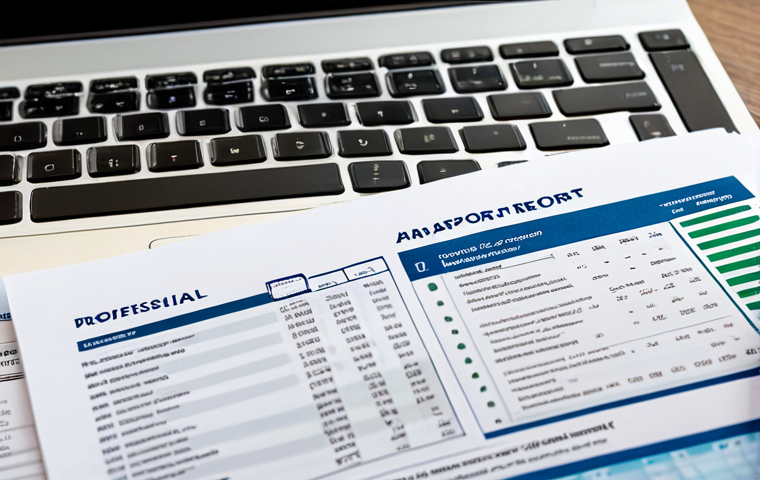
Writing a clear and concise appraisal report is an art form in itself. It’s not just about presenting the data; it’s about telling a story that supports your valuation. Your report is your professional reputation on paper.
Structuring Your Report for Clarity
Think of your report as a well-structured argument. Start with the purpose of the appraisal, describe the property in detail, analyze the market data, and then present your conclusion. Make it easy for the reader to follow your logic.
Using Clear and Concise Language
Avoid jargon and technical terms that the average person might not understand. Write in plain English, and explain everything clearly and concisely. Remember, your audience may not be familiar with appraisal terminology.
Supporting Your Valuation with Evidence
Every conclusion you make in your report should be supported by evidence. Whether it’s comparable sales data or market trends, make sure you have the data to back up your claims. Don’t make assumptions; rely on facts.
Navigating Ethical Dilemmas in Appraisals
Let’s face it, ethical dilemmas are part of the job. There will be times when you feel pressure to inflate a value or overlook certain issues. But remember, your integrity is your most valuable asset.
Maintaining Independence and Objectivity
It’s crucial to maintain independence and objectivity in every appraisal. Don’t let personal relationships or financial incentives influence your judgment. Your duty is to provide an unbiased opinion of value.
Disclosing Any Conflicts of Interest
If you have any conflicts of interest, disclose them upfront. Transparency is key to maintaining trust and credibility. Let your clients know if you have any personal connections to the property or the parties involved.
Upholding the Uniform Standards of Professional Appraisal Practice (USPAP)
The USPAP is your ethical compass. Familiarize yourself with these standards and adhere to them in every appraisal you conduct. The USPAP provides guidelines for ethical behavior and professional conduct in the appraisal profession.
Understanding the Impact of AI and Technology
The real estate industry is rapidly evolving, thanks to AI and technology. As an appraiser, you need to understand how these innovations are impacting the valuation process. Being tech-savvy isn’t just a bonus anymore; it’s a necessity.
Leveraging Data Analytics Tools
AI-powered data analytics tools can help you analyze market trends, identify comparable sales, and assess property risks more efficiently. Learn how to use these tools to enhance your appraisal skills and provide more accurate valuations.
Understanding Automated Valuation Models (AVMs)
AVMs are becoming increasingly popular, but they’re not a substitute for a professional appraisal. Understand the limitations of AVMs and how they can be used as a supplementary tool in your valuation process.
Staying Ahead of the Curve
The appraisal profession is constantly evolving, so it’s crucial to stay ahead of the curve. Attend industry conferences, take continuing education courses, and stay informed about the latest technological advancements. Be proactive in your learning journey.
Adapting to Market Fluctuations and Economic Trends
The real estate market is a rollercoaster. One minute, prices are soaring, and the next, they’re plummeting. As an appraiser, you need to be able to adapt to these fluctuations and understand how economic trends impact property values.
Monitoring Economic Indicators
Keep an eye on key economic indicators such as interest rates, unemployment rates, and inflation. These factors can have a significant impact on the real estate market and property values.
Understanding Local Market Dynamics
Every real estate market is unique, with its own set of dynamics and trends. Stay informed about local market conditions and how they are affecting property values in your area.
Adjusting Your Valuation Approach
Be prepared to adjust your valuation approach based on market conditions. In a hot market, you may need to emphasize comparable sales data, while in a down market, you may need to focus on income capitalization.
Here’s a table summarizing key aspects of practical training:
| Aspect of Training | Key Skills Developed | Importance |
|---|---|---|
| Mentorship | Market analysis, ethical judgment, report writing | Guidance and real-world experience |
| Property Inspections | Attention to detail, building code knowledge | Accurate property assessment |
| Report Writing | Clear communication, data analysis | Presenting credible valuations |
| Ethical Dilemmas | Integrity, objectivity | Maintaining professional standards |
| Technology | Data analytics, AVM understanding | Improving efficiency and accuracy |
| Market Fluctuations | Economic analysis, adaptability | Accurate valuation in changing markets |
Building a Professional Network and Reputation
It’s not just about what you know; it’s about who you know. Building a strong professional network and reputation is essential for long-term success in the appraisal profession.
Joining Industry Associations
Industry associations provide opportunities to network with other appraisers, attend educational events, and stay informed about industry trends. Joining these associations can help you build relationships and enhance your professional development.
Attending Local Real Estate Events
Attend local real estate events to meet real estate agents, lenders, and other industry professionals. Building relationships with these individuals can lead to referral opportunities and expand your business network.
Giving Back to the Community
Volunteering your time and expertise to local community organizations can help you build a positive reputation and establish yourself as a trusted professional in the area. It’s a great way to give back and make a difference in your community.
In Conclusion
The path to becoming a certified real estate appraiser is challenging but incredibly rewarding. Embrace the learning process, seek out experienced mentors, and always prioritize ethics and integrity in your work. The real estate world awaits your expertise!
Useful Tips to Remember
1. Network actively with local real estate professionals to build relationships and gain insights into the market.
2. Continuously update your knowledge of appraisal methodologies and regulatory changes.
3. Always document your appraisal process thoroughly and maintain clear records.
4. Consider specializing in a niche area of appraisal, such as commercial properties or historic homes, to set yourself apart.
5. Join the Appraisal Institute or a similar organization to enhance your credibility and access resources.
Key Takeaways
Mastering the practical aspects of real estate appraisal requires a blend of theoretical knowledge, hands-on experience, and ethical conduct. Seek mentorship, stay updated with market trends and technology, and always prioritize integrity in your valuations.
Frequently Asked Questions (FAQ) 📖
Q: What exactly do these practical training programs for real estate appraisers involve?
A: From what I’ve gathered, these programs are all about getting your hands dirty. Think of it as an apprenticeship where you work under the supervision of a seasoned appraiser.
You’ll be out in the field, inspecting properties, researching market data, and actually preparing appraisal reports. It’s where you learn how to apply the theories you learned in the classroom to real-life situations.
It’s not just about crunching numbers; it’s about understanding the nuances of a property and its location.
Q: How important is it to stay updated with technology, like
A: I and machine learning, in the appraisal field? A2: Seriously important! I’ve been hearing more and more about how AI is changing the game in real estate.
Machine learning algorithms are being used to analyze market trends, predict property values, and even automate parts of the appraisal process. If you don’t understand how these technologies work and how they might impact your work, you risk becoming obsolete.
It’s about staying competitive and ensuring that your appraisals are accurate and reliable in a rapidly changing market. It’s not about being replaced by AI, but understanding how to use it to your advantage.
Q: What’s the single best piece of advice you can give someone considering a career as a real estate appraiser?
A: Hands down, find a great mentor! I’ve heard it from appraisers who’ve been in the game for decades. A good mentor can guide you through the complexities of the profession, help you develop your skills, and even introduce you to valuable contacts.
It’s like having a secret weapon in your arsenal. Plus, they can offer invaluable insights that you simply won’t find in textbooks or online courses. Don’t be afraid to reach out to experienced appraisers in your area and ask for guidance – you’d be surprised how willing some people are to share their knowledge and expertise.
Think of it as investing in your future.
📚 References
Wikipedia Encyclopedia