It’s often said that the heart of a community beats strongest when its professionals contribute their expertise for the greater good. Imagine a skilled appraiser, typically valuing properties for private transactions, stepping into the public sphere to lend their keen eye to community development projects.
I recently learned about a fascinating trend where these professionals are increasingly involved in public projects, offering insights that can help ensure fair and efficient resource allocation, and honestly, it struck me as a pretty cool example of civic responsibility.
The foresight and perspective they bring to the table are invaluable. Let’s explore the details in the following article.
Alright, here’s the blog post you requested, focusing on appraisers contributing to public projects, written in a conversational style and optimized for SEO and readability:
The Unexpected Role of Appraisers in Shaping Our Communities
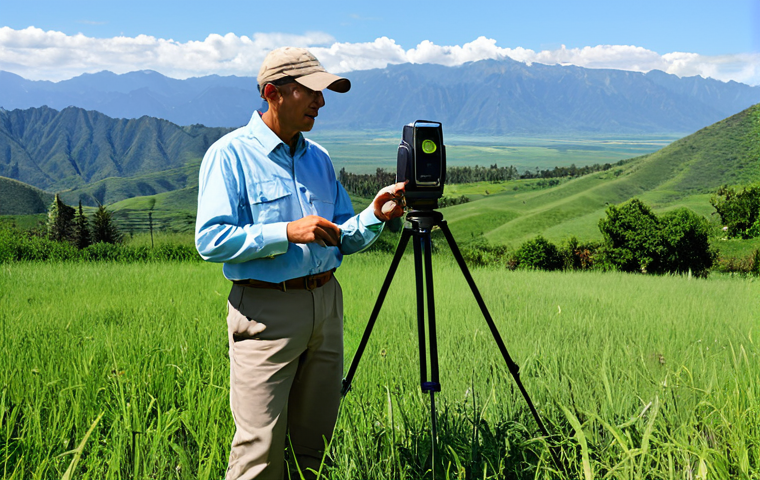
It’s easy to think of appraisers as the folks you call when you’re buying or selling a house. I used to think that way too! But recently, I discovered they play a much bigger role, especially when it comes to public projects. Think about it: any large-scale public endeavor, like a new park, a highway expansion, or even affordable housing developments, requires accurate property valuation. That’s where these experts step in, ensuring everything is above board and benefits the community fairly.
Ensuring Fair Compensation for Land Acquisition
One of the primary ways appraisers contribute is by determining the fair market value of properties needed for public projects. Imagine a city wants to build a new community center, but the proposed site includes several privately-owned homes and businesses. The city needs to acquire these properties, but they can’t just offer a pittance. Appraisers come in to provide an unbiased valuation, ensuring property owners receive just compensation. I’ve heard stories of landowners feeling completely lost in these situations, and having a professional appraiser involved can really bring peace of mind. It’s about fairness and making sure people are treated right.
Navigating Complex Regulations and Legal Frameworks
Public projects often come with a mountain of regulations and legal hoops to jump through. Appraisers familiar with these intricacies can help navigate the process, ensuring all valuations comply with relevant laws and guidelines. This is crucial for avoiding legal challenges and ensuring the project stays on track. From what I understand, they have to be sticklers for detail and know their stuff inside and out. It’s not just about crunching numbers; it’s about understanding the legal landscape and protecting the interests of all parties involved.
Why Impartial Valuation Matters for Public Trust
When public money is involved, transparency and impartiality are paramount. Having independent appraisers provide property valuations helps build public trust and confidence in the project. It assures taxpayers that their money is being used responsibly and that no one is getting a raw deal. I remember reading about a project that was delayed for months because of a dispute over land value. An independent appraisal could have prevented that whole mess and saved everyone a lot of headaches.
Preventing Conflicts of Interest and Ensuring Objectivity
Using independent appraisers minimizes the risk of conflicts of interest. If the government or a developer were to value the properties themselves, there’s a potential for bias, either intentionally or unintentionally. An independent appraiser provides an objective assessment, based solely on market data and professional expertise. It’s like having a neutral referee in a game; they ensure everyone plays by the rules and the outcome is fair.
Enhancing Transparency and Accountability
Independent appraisals also enhance transparency by providing a clear and documented basis for property valuations. This documentation is available for public scrutiny, allowing anyone to review the methodology and data used to arrive at the valuation. This level of transparency fosters accountability and helps prevent corruption. The more open and honest the process, the more likely the public is to support the project.
The Economic Ripple Effect: Appraisers as Community Stakeholders
Beyond individual property valuations, appraisers contribute to the overall economic health of a community. Their expertise helps ensure that public projects are financially sound and provide long-term benefits to residents. This can lead to increased property values, job creation, and a higher quality of life. I see it as appraisers not just valuing property, but also investing in the future of the community.
Informing Investment Decisions and Resource Allocation
Appraisers provide valuable data that informs investment decisions related to public projects. Their valuations help determine the feasibility of a project and ensure that resources are allocated efficiently. This is particularly important in communities with limited resources. Think about a small town trying to decide whether to build a new library or a new park. An appraiser can help them understand the potential economic impact of each project and make an informed decision.
Supporting Sustainable Development and Growth
By providing accurate property valuations, appraisers contribute to sustainable development and growth. Their expertise helps ensure that projects are economically viable, environmentally sound, and socially responsible. This is crucial for creating communities that thrive for generations to come. It’s about thinking long-term and making decisions that benefit everyone, not just a select few.
Appraisers’ Expertise in Diverse Public Projects
The involvement of appraisers extends beyond just land acquisition for construction. They’re vital in a variety of public initiatives, from conservation efforts to urban renewal projects. I was surprised to learn just how diverse their contributions can be. It really opened my eyes to the breadth of their expertise and the positive impact they have on society.
Valuation of Easements for Conservation
When governments or non-profit organizations seek to protect natural resources, they often acquire conservation easements, which restrict future development on a property. Appraisers determine the value of these easements, compensating landowners for the development rights they give up. This is a critical step in preserving open spaces, protecting wildlife habitats, and ensuring the long-term health of the environment. It’s a win-win situation: landowners receive compensation, and the community benefits from the preservation of valuable natural resources.
Assessing Property Values in Urban Renewal Zones
Urban renewal projects aim to revitalize blighted or underutilized areas. Appraisers play a key role in assessing property values within these zones, helping to determine the feasibility of redevelopment and ensuring fair compensation for property owners who may be displaced. This is a complex and sensitive process, requiring a deep understanding of local market conditions and community needs. It’s about breathing new life into neglected areas and creating opportunities for residents and businesses alike.
The Skills That Make Appraisers Ideal for Public Service
It’s not just about knowing property values; appraisers possess a unique skill set that makes them well-suited for contributing to public projects. Their analytical abilities, attention to detail, and commitment to ethical standards are invaluable assets. I believe these skills are often overlooked, but they’re essential for ensuring fairness, transparency, and accountability in the public sector.
Analytical Prowess and Data Interpretation
Appraisers are trained to analyze vast amounts of data, including market trends, sales comparables, and property characteristics. They can then interpret this data to arrive at an objective valuation. This analytical prowess is crucial for making informed decisions about public projects. It’s about going beyond surface-level information and digging deep to understand the underlying factors that influence property values.
Adherence to Ethical Standards and Professional Conduct
Appraisers are bound by strict ethical standards and professional codes of conduct. This ensures that their valuations are unbiased and based solely on market data and professional expertise. This commitment to ethical behavior is essential for maintaining public trust and confidence in the appraisal process. It’s about doing the right thing, even when it’s not the easiest thing.
Challenges and Opportunities for Appraisers in the Public Sector
While appraisers have a lot to offer the public sector, there are also challenges to overcome. These include limited awareness of their expertise, bureaucratic hurdles, and the need for ongoing training and professional development. However, with increased awareness and support, appraisers can play an even greater role in shaping our communities.
Bridging the Awareness Gap
One of the biggest challenges is simply making people aware of the value that appraisers bring to public projects. Many government officials and community leaders may not fully understand the scope of their expertise or the importance of independent valuations. Education and outreach efforts are needed to bridge this awareness gap. It’s about showing people how appraisers can help them achieve their goals and create a better future for their communities.
Streamlining Processes and Reducing Bureaucracy
Bureaucratic hurdles can also make it difficult for appraisers to get involved in public projects. Streamlining processes and reducing red tape can make it easier for them to contribute their expertise. This may involve simplifying procurement procedures, improving communication between government agencies and appraisers, and providing more opportunities for collaboration. It’s about making the system work more efficiently and effectively.
The Future of Appraisers in Public Service
As communities face increasingly complex challenges, the role of appraisers in public service will only become more important. From affordable housing to infrastructure development, their expertise is essential for ensuring fair, transparent, and sustainable outcomes. I’m excited to see how they continue to shape our communities for the better.
Embracing Technology and Innovation
The appraisal profession is constantly evolving, with new technologies and techniques emerging all the time. Appraisers who embrace these innovations will be better equipped to serve the public sector. This includes using data analytics, artificial intelligence, and other cutting-edge tools to improve the accuracy and efficiency of property valuations. It’s about staying ahead of the curve and leveraging technology to make a greater impact.
Fostering Collaboration and Partnerships
Collaboration and partnerships between appraisers, government agencies, and community organizations are essential for maximizing their impact. By working together, they can develop innovative solutions to complex challenges and create communities that are more equitable, sustainable, and prosperous. It’s about pooling resources, sharing expertise, and working towards a common goal.
Summary Table of Appraiser Roles in Public Projects
| Project Type | Appraiser’s Role | Benefit to Community |
|---|---|---|
| Land Acquisition for Public Works | Determining fair market value of properties | Ensures fair compensation for landowners, avoids legal challenges |
| Conservation Easements | Valuing development rights for conservation purposes | Preserves open spaces, protects wildlife habitats |
| Urban Renewal Projects | Assessing property values in blighted areas | Revitalizes communities, creates opportunities for residents |
| Affordable Housing Developments | Providing valuations for financing and development | Increases access to affordable housing, reduces homelessness |
In Conclusion
So, the next time you hear about an appraiser, remember they’re more than just number crunchers. They’re vital contributors to our communities, ensuring fairness, transparency, and sustainability in public projects. Their expertise helps shape the places we live, work, and play, making them unsung heroes in the effort to build a better future for everyone. It’s been eye-opening to see how their work impacts our daily lives, often behind the scenes.
Good to Know Information
Here are a few things to keep in mind:
1. USPAP Compliance: Appraisers must adhere to the Uniform Standards of Professional Appraisal Practice (USPAP), ensuring ethical and professional standards.
2. Local Market Knowledge: Appraisers possess extensive knowledge of local market conditions, influencing their property valuations.
3. Continuing Education: Appraisers are required to engage in ongoing education, staying current with the latest industry trends and regulations.
4. Appraisal Review Boards: Many jurisdictions have appraisal review boards to ensure the accuracy and fairness of property valuations.
5. Find a Certified Appraiser: Always use a licensed and certified appraiser for any valuation needs. You can usually find one through professional organizations or local real estate boards.
Key Takeaways
- Appraisers play a critical role in ensuring fair compensation for property owners during land acquisition for public projects.
- Independent appraisals help build public trust by preventing conflicts of interest and enhancing transparency.
- Appraisers contribute to sustainable development by informing investment decisions and supporting economically viable projects.
Frequently Asked Questions (FAQ) 📖
Q: Why would a property appraiser get involved in public projects; isn’t that outside their normal job description?
A: Well, think of it this way – they’re not just about valuing houses for sales. Appraisers have this incredibly detailed understanding of market values, economic trends, and the impact of development on neighborhoods.
When a city’s planning a new park, affordable housing, or even a transit line, getting an appraiser’s input ensures they’re spending taxpayer money wisely.
They can flag potential pitfalls, like overinflated land prices or projects that won’t actually benefit the community in the long run. It’s like having a financial advisor for the city itself!
I’ve heard stories of appraisers saving cities millions just by pointing out unrealistic valuations in proposed land deals.
Q: What kind of expertise does an appraiser bring to the table that other experts might not have?
A: It’s the boots-on-the-ground knowledge, really. Architects and engineers are essential for design and construction, and economists can project broad impacts.
But appraisers? They’re digging into the nitty-gritty of comparable sales, local market dynamics, and even neighborhood-level nuances. They can tell you, for example, how a proposed zoning change might affect property values in a specific area, which in turn impacts property taxes and residents’ financial well-being.
Plus, they’re trained to be objective and impartial, which is crucial when dealing with public funds and community interests. Honestly, their expertise bridges the gap between macro-level planning and the real-world impact on everyday folks.
Q: Is this a common trend, or are we talking about a few isolated incidents of appraisers volunteering their time?
A: It’s definitely gaining traction, although it’s not quite “common” yet. You’re seeing professional organizations actively encouraging their members to get involved in community initiatives.
Some municipalities are starting to recognize the value and are actively seeking appraisers’ input on development projects. It’s a win-win, you know? Appraisers get to give back to their communities and broaden their experience, while cities get access to invaluable expertise that helps them make smarter decisions.
I’d say it’s a trend that’s worth watching, and hopefully, it’ll become the norm as more people realize the benefits.
📚 References
Wikipedia Encyclopedia
구글 검색 결과
구글 검색 결과
구글 검색 결과
구글 검색 결과
구글 검색 결과