
In today’s fast-evolving real estate market, staying sharp with practical appraisal skills isn’t just a bonus—it’s a necessity. Whether you’re navigating complex property valuations or adapting to new industry regulations, mastering these essentials can set you apart from the competition.
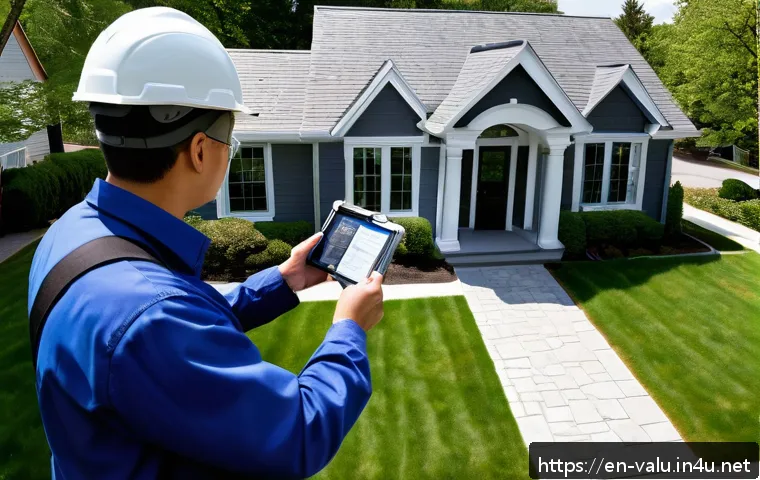
Recently, changes in market dynamics and technology have transformed how appraisers work, making hands-on expertise more valuable than ever. If you’re serious about excelling in this field, understanding these key skills will boost your confidence and accuracy.
Let’s dive into what every real estate appraiser needs to thrive in this demanding yet rewarding profession.
Understanding Market Trends and Economic Indicators
Recognizing the Impact of Local Market Fluctuations
Real estate markets don’t operate in a vacuum. I’ve noticed that staying attuned to local economic shifts—like job growth, migration patterns, or changes in infrastructure—can dramatically improve appraisal accuracy.
For example, when a new transit line opens, nearby property values often surge, sometimes unexpectedly. Without paying close attention to these subtle signals, you risk undervaluing or overvaluing a property.
Tracking these trends isn’t just about crunching numbers; it’s about knowing your community and its evolving story.
Interpreting National Economic Indicators
On a broader scale, national data like interest rates, inflation, and housing starts often dictate market sentiment. I’ve found that understanding how these indicators influence buyer behavior helps predict price movements better.
When the Federal Reserve hints at raising interest rates, mortgage costs rise, cooling demand. Being proactive in interpreting such signals means you can anticipate shifts in property values, rather than reacting after the fact.
This foresight enhances your credibility with clients who rely on you for sound advice.
Leveraging Technology for Real-Time Data Analysis
Gone are the days of relying solely on static reports. Today’s appraisers benefit immensely from tools that provide live market data and predictive analytics.
I personally use software that aggregates MLS listings, sales trends, and even sentiment analysis from social media to get a comprehensive market snapshot.
This tech not only saves time but also uncovers nuances that traditional methods might miss. Embracing these innovations sets you apart as a forward-thinking professional in a fast-paced industry.
Mastering Property Inspection and Documentation
Developing a Keen Eye for Detail
One skill that separates average appraisers from top performers is the ability to spot subtle property features that impact value. I remember inspecting a home where the seller had upgraded the insulation and windows, significantly affecting energy efficiency.
Noticing and documenting these improvements required more than just a quick glance—it meant understanding building standards and homeowner preferences.
This depth of observation ensures your appraisals reflect true market worth, avoiding costly oversights.
Effective Use of Photography and Notes
Capturing clear, comprehensive photos alongside detailed notes is crucial. I always make it a point to photograph every angle and unique feature, from foundation cracks to landscaping quality.
Coupled with precise notes, these visuals support your valuation decisions and provide transparency to clients. When disputes arise, having a thorough visual record can be a lifesaver, proving your assessment was thorough and fair.
Organizing Documentation for Compliance and Review
Appraisal reports must meet strict regulatory standards, which means documentation needs to be organized and accessible. I use a consistent filing system for digital and physical documents, ensuring every piece of evidence—from permits to prior sales records—is easy to retrieve.
This habit not only streamlines the review process but also builds trust with lenders and regulatory bodies, showing that your work is both professional and reliable.
Refining Analytical Techniques for Accurate Valuations
Comparative Market Analysis (CMA) Best Practices
Performing a CMA isn’t just about picking a few recent sales nearby. I’ve learned that selecting truly comparable properties—considering location, size, condition, and market timing—is an art form.
Sometimes, adjustments are needed for differences like a renovated kitchen or proximity to noise sources. The more precise your comparisons, the more defensible your valuations become, especially when clients challenge your figures.
Incorporating Cost and Income Approaches
While sales comparison is common, understanding when to apply cost or income approaches is critical. For example, evaluating a newly built commercial property often requires estimating replacement costs minus depreciation.
Similarly, income properties demand analyzing rental yields and operating expenses. Mastering these methods adds depth to your appraisal toolkit and enables you to handle diverse property types confidently.
Balancing Quantitative Data with Qualitative Insights
Numbers tell a big part of the story, but I’ve found that qualitative factors—like neighborhood desirability, future development plans, or community reputation—can sway value significantly.
Integrating these softer elements with hard data creates a more holistic valuation. Clients appreciate this nuanced approach because it reflects real-world complexities rather than relying on formulas alone.
Effective Communication and Client Relations
Explaining Valuations Clearly and Confidently
No matter how accurate your appraisal is, it loses impact if clients don’t understand it. I always take time to walk clients through the key points, simplifying technical jargon without dumbing down the content.
Sharing the rationale behind value conclusions builds trust and reduces misunderstandings. Over time, this approach has earned me repeat business and referrals, proving communication is as vital as analysis.
Managing Expectations and Handling Disputes
Sometimes, clients disagree with your findings. From my experience, addressing concerns openly and providing additional context or data often diffuses tension.
I avoid defensive stances and instead focus on educating clients about market realities. This patience and professionalism not only resolve conflicts but also enhance your reputation as a fair and knowledgeable appraiser.
Networking and Building Professional Relationships
Building a strong network with realtors, lenders, and other appraisers has been invaluable in my career. These relationships provide insights into market shifts and potential opportunities.
Plus, referrals from trusted contacts often lead to more assignments. Staying active in professional groups and attending industry events keeps you connected and continuously learning.
Staying Compliant with Regulations and Ethical Standards

Understanding Local and Federal Appraisal Laws
Appraisal regulations vary widely, and keeping up with them is non-negotiable. I regularly review updates from regulatory bodies to ensure my work aligns with current standards.
Ignorance here can lead to legal trouble or loss of license. Staying informed helps me deliver appraisals that are not only accurate but also fully compliant.
Maintaining Objectivity and Avoiding Conflicts of Interest
One of the toughest parts is remaining unbiased, especially when working with repeat clients or in close-knit communities. I’ve developed personal checks—like cross-verifying data and seeking peer reviews—to guard against unconscious bias.
Upholding integrity is the cornerstone of trustworthiness in this profession, and clients can sense when you’re impartial.
Documenting Ethical Decision-Making Processes
When ethical dilemmas arise, documenting how decisions were made is essential. I keep detailed records explaining any unusual circumstances or judgment calls.
This transparency not only protects me but also reassures clients and regulators that I adhere to the highest ethical standards.
Utilizing Technology to Enhance Efficiency
Adopting Advanced Appraisal Software
Switching from manual spreadsheets to specialized appraisal software has transformed my workflow. These programs streamline data input, automate calculations, and generate professional reports quickly.
The time saved allows me to focus on analysis and client interaction rather than paperwork.
Using Drones and Virtual Tours for Remote Inspections
Especially with properties in hard-to-reach areas or during pandemic restrictions, drone footage and virtual tours have been game changers. I’ve been able to assess roof conditions, land contours, and interior layouts without physically being onsite.
This tech not only saves travel time but also provides detailed visuals that enhance report quality.
Integrating GIS Mapping and Data Visualization
Geographic Information Systems (GIS) tools help me visualize spatial relationships and neighborhood characteristics more effectively. Mapping crime rates, school zones, and environmental risks alongside property data provides a richer context for valuations.
Clients appreciate these insights, making the appraisal more comprehensive and actionable.
| Skill Area | Key Tools or Techniques | Benefits |
|---|---|---|
| Market Analysis | Economic reports, MLS data, predictive analytics | Improved accuracy, early trend detection, competitive edge |
| Property Inspection | Detailed notes, high-quality photos, drone footage | Comprehensive documentation, risk reduction, transparency |
| Valuation Methods | Comparative market analysis, cost approach, income approach | Versatility across property types, defensible appraisals |
| Communication | Clear explanations, client education, dispute resolution | Stronger client trust, fewer conflicts, repeat business |
| Compliance | Regulatory updates, ethical guidelines, record keeping | Legal protection, professional credibility |
| Technology | Appraisal software, drones, GIS mapping | Efficiency, accuracy, enhanced data visualization |
Continuous Learning and Professional Development
Participating in Industry Workshops and Seminars
The real estate world never stops changing, and neither can you. I make it a habit to attend workshops and seminars regularly. These events expose me to fresh perspectives, new regulations, and innovative tools.
Plus, they’re great for networking with peers who share challenges and solutions.
Seeking Certifications and Advanced Credentials
Earning additional certifications, like the Certified Residential Appraiser or MAI designation, has boosted my professional standing. These credentials signal to clients and employers that you’re committed to excellence and ongoing improvement.
The process also deepens your knowledge and hones specialized skills.
Learning from Peer Reviews and Mentorship
Sometimes the best growth comes from honest feedback. I’ve benefited immensely from peer reviews, which highlight blind spots and reinforce strengths.
Mentorship, whether giving or receiving, creates a support system that keeps you motivated and accountable in your career journey.
In Conclusion
Understanding market trends, mastering inspection techniques, and effectively communicating with clients are essential skills for any successful appraiser. Embracing technology and continuous learning helps maintain accuracy and professionalism in a rapidly evolving industry. By integrating these elements, you can deliver reliable valuations that inspire client confidence and foster long-term relationships.
Helpful Information to Keep in Mind
1. Stay updated on both local and national economic indicators to anticipate market shifts before they happen.
2. Use detailed documentation and photography to support your appraisals and avoid disputes.
3. Balance quantitative data with qualitative insights to provide a comprehensive property valuation.
4. Maintain clear communication with clients to build trust and manage expectations effectively.
5. Continuously develop your skills through certifications, workshops, and peer feedback to stay ahead in the field.
Key Takeaways
Successful property appraisal relies on a deep understanding of market dynamics, thorough property inspections, and robust analytical methods. Leveraging technology enhances efficiency and precision, while adhering to ethical standards safeguards your professional integrity. Clear communication and ongoing education are crucial for building lasting client relationships and maintaining credibility in a competitive marketplace.
Frequently Asked Questions (FAQ) 📖
Q: uestionsQ1: What are the most important skills a real estate appraiser should develop to succeed in today’s market?
A: In today’s dynamic real estate environment, an appraiser must excel in analytical thinking, market research, and understanding local property trends. Strong communication skills are also essential since appraisers often need to explain complex valuations clearly to clients or lenders.
Additionally, staying updated on technology like appraisal software and data analytics tools can significantly enhance accuracy and efficiency. From my experience, combining these skills helps build trust and delivers reliable appraisals even in fluctuating markets.
Q: How have recent technological advancements changed the appraisal process?
A: Technology has revolutionized how appraisers gather data, analyze properties, and report findings. Tools like automated valuation models (AVMs), drones for property inspections, and advanced software for comparables analysis streamline the workflow.
I’ve noticed that embracing these technologies not only speeds up the process but also reduces human error. However, it’s important to balance tech use with hands-on expertise because some nuances in property condition and neighborhood factors still require a trained eye.
Q: What challenges do real estate appraisers face due to changing market regulations, and how can they adapt?
A: Regulatory changes often mean stricter compliance requirements and more detailed documentation. Appraisers must stay informed about new laws and standards, such as those related to environmental assessments or fair housing.
I’ve found that ongoing education and professional development are key to adapting smoothly. Joining industry groups and attending seminars helps appraisers stay ahead, ensuring their reports meet all legal standards while maintaining credibility with clients.