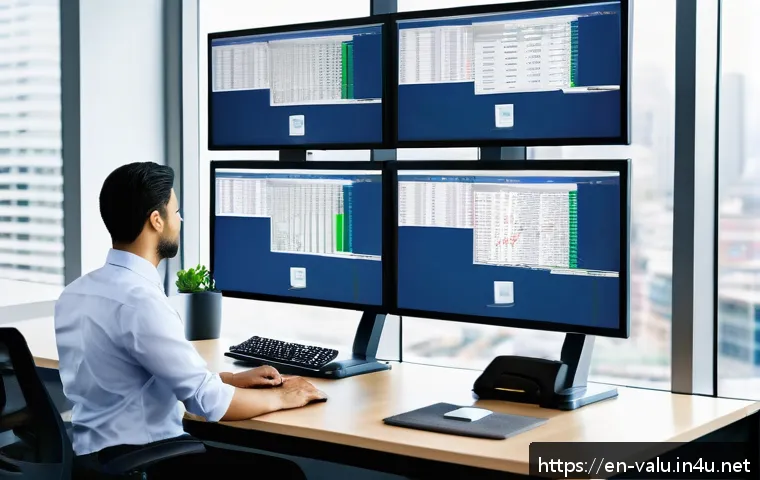
In today’s fast-paced valuation landscape, efficiency isn’t just a bonus—it’s a necessity. With increasing demands and tighter deadlines, appraisal experts are constantly seeking ways to optimize their workflows without sacrificing accuracy.

Whether you’re juggling complex data sets or navigating evolving industry standards, streamlining your process can unlock significant productivity gains.
In this post, we’ll explore practical strategies that have proven effective in enhancing appraisal workflows, helping you save time and deliver results with confidence.
If you’ve ever felt overwhelmed by the appraisal workload, you’re not alone—and the solutions might be simpler than you think. Let’s dive in and transform the way you approach valuation tasks.
Embracing Smart Data Management for Faster Valuations
Organizing Your Data Sources Efficiently
When working with appraisal projects, the sheer volume of data can quickly become overwhelming. I found that having a well-organized data management system saves me countless hours.
Instead of digging through random files or emails, I create a centralized repository where all relevant documents, property details, and market reports are categorized by date, location, and property type.
This way, when I need to revisit or cross-check information, it’s right there at my fingertips. Plus, tagging files with keywords helps in quick searches, especially when deadlines loom large.
Trust me, once you get into this habit, you’ll wonder how you ever managed without it.
Leveraging Automated Tools for Data Entry and Analysis
Manually inputting data not only eats up time but also increases the risk of human error. I started using automated tools that extract key data points directly from digital documents or spreadsheets, allowing me to bypass repetitive typing.
Some software even integrates with public property databases, letting me pull current market values and transaction histories instantly. This automation doesn’t just speed things up—it improves accuracy, which is crucial when every decimal counts.
If you haven’t explored these tools yet, I recommend giving them a try; they’ve been game-changers in my workflow.
Maintaining Data Integrity Throughout the Process
No matter how fast you work, inaccurate data can derail an entire appraisal. I make it a point to cross-verify critical numbers with multiple sources before locking in my analysis.
It might feel tedious at first, but it’s a small investment that pays off by reducing revision rounds and client questions later on. Also, regular backups and version control of your data files help avoid any accidental overwrites or losses, especially when working in teams.
In my experience, a disciplined approach to data integrity not only safeguards your work but also builds client trust over time.
Mastering Time Allocation to Boost Productivity
Breaking Down Tasks into Manageable Segments
Facing a mountain of appraisal work can be paralyzing. I learned to divide large projects into smaller, clearly defined tasks. For instance, separating property research, data collection, valuation modeling, and report writing into distinct stages helps me focus better and track progress.
This chunking method reduces mental fatigue and allows for quick wins that keep motivation high. Using task management apps with deadlines and priority flags has also made a huge difference, making sure nothing slips through the cracks.
Setting Realistic Timeframes and Buffer Periods
Deadlines can be stressful, especially when unexpected issues arise. I’ve become a fan of scheduling buffer time around key milestones to handle last-minute corrections or data gaps.
It’s tempting to cram everything into the last minute, but that usually backfires. Instead, I plan backward from the final deadline, allotting extra hours for each task.
This approach helps keep my stress levels manageable and ensures the final product is polished and thorough.
Using Time-Tracking to Identify Bottlenecks
To optimize my workflow, I started tracking how long each appraisal phase takes in real-time. At first, it felt like extra work, but the insights gained were invaluable.
For example, I noticed that data gathering often consumed more time than expected, so I experimented with new sources and automation to speed it up. Time-tracking also reveals when distractions creep in or when certain tasks stall.
By analyzing these patterns, I continuously refine my process to be more efficient without compromising quality.
Enhancing Communication for Seamless Collaboration
Establishing Clear Expectations with Clients
Nothing disrupts workflow more than unclear client instructions or shifting priorities. Early on, I make it a point to clarify the scope, deadlines, and deliverables with clients.
Having a written agreement or checklist helps keep everyone on the same page. When clients understand what to expect and when, it reduces back-and-forth emails and last-minute surprises.
This clarity has saved me from many headaches and helped maintain professional relationships built on trust.
Utilizing Collaborative Platforms for Teamwork
When working with other appraisers, agents, or analysts, I rely heavily on cloud-based collaboration tools. These platforms enable real-time sharing of documents, comments, and updates, which minimizes delays caused by version confusion or missing files.
Features like task assignment and status tracking also keep everyone accountable. From my experience, investing time in setting up these systems upfront pays off in smoother teamwork and faster project completion.
Regular Check-Ins to Keep Projects on Track
Weekly or bi-weekly progress meetings might seem like overhead, but they’re essential for catching issues early. I’ve found that brief, focused check-ins help align priorities and resolve questions before they snowball into bigger problems.
They also foster a sense of shared responsibility and encourage open communication, which is key when juggling multiple appraisals at once. Even quick calls or video chats can be more effective than lengthy email threads.
Adopting Flexible Valuation Techniques to Save Time
Choosing the Right Approach for Each Property Type
Not every appraisal requires the same level of detail or method. Over time, I’ve learned to select the valuation technique—cost approach, income approach, or sales comparison—based on the property’s nature and the client’s purpose.
For example, a straightforward single-family home might only need a sales comparison, while commercial properties may demand a blended approach. Tailoring the method avoids unnecessary complexity and speeds up the process without sacrificing accuracy.
Standardizing Templates and Checklists
Reinventing the wheel for every appraisal report is a sure way to waste time. I developed standardized templates and checklists that cover the essential components for different types of appraisals.
These templates ensure consistency and completeness while allowing room for customization. When deadlines get tight, having a reliable framework to build on is a lifesaver.
It also simplifies peer reviews and helps maintain professional standards across projects.
Incorporating Technology for Dynamic Valuations
Modern appraisal software often includes built-in models that adjust automatically based on input changes. Using these dynamic tools lets me quickly test different scenarios and assumptions, speeding up decision-making.
For example, adjusting rental income or expense variables in real time helps refine income approach valuations efficiently. My firsthand experience shows that embracing such technology not only reduces manual calculations but also enhances the overall quality of valuations.
Streamlining Report Generation for Clear and Impactful Delivery
Automating Data Integration into Reports
One of the biggest time sinks I faced was manually transferring data and charts into final reports. I started using software that automatically pulls data from analysis files into formatted report sections.
This automation reduces errors and frees up time to focus on narrative quality rather than formatting. The reports look more professional and consistent, which clients appreciate.
Plus, it leaves room for me to add personalized insights without rushing.
Crafting Concise, Client-Friendly Narratives
A well-written appraisal report balances technical detail with clear explanations. I’ve found that clients value straightforward language that highlights key findings without jargon overload.
To achieve this, I draft summaries that focus on the bottom line and implications, then expand into detailed sections for those who want more. This approach helps prevent confusion and speeds up client approval, especially when they’re not appraisal experts themselves.
Implementing Quality Checks Before Submission
Before sending out a report, I always run a thorough quality check. This includes proofreading, verifying all figures, and ensuring compliance with relevant standards.
I even print out a hard copy for a final review, as reading on paper often catches errors missed on screen. Taking this extra step reduces the chance of revisions or client questions, which ultimately saves time and enhances my professional reputation.
Integrating Continuous Learning to Keep Pace with Industry Changes
Staying Updated with Regulatory Changes
Valuation standards and regulations evolve regularly, and staying current is non-negotiable. I subscribe to industry newsletters, attend webinars, and participate in professional forums to keep my knowledge fresh.
This proactive learning helps me avoid costly mistakes or outdated practices that could delay projects. Personally, setting aside a small weekly window for education has been a worthwhile investment in my career and workflow efficiency.
Experimenting with New Tools and Techniques
The appraisal field is increasingly tech-driven, and I make it a point to test emerging software or methodologies as they become available. Even if I don’t adopt everything immediately, understanding new options allows me to select the best-fit tools for my needs.
This mindset keeps my process agile and competitive, preventing stagnation. Plus, sharing insights with colleagues often sparks collaborative improvements.
Building a Network for Knowledge Exchange
Connecting with other appraisal professionals has been invaluable for problem-solving and staying motivated. I engage in local appraisal groups and online communities where members share tips, case studies, and feedback.
This network acts as a sounding board when I encounter tricky assignments or need fresh perspectives. From my experience, a strong professional community enhances both expertise and efficiency.
| Efficiency Strategy | Key Benefits | Tools/Techniques |
|---|---|---|
| Centralized Data Management | Faster access, reduced search time, better organization | Cloud storage, keyword tagging, version control |
| Automated Data Entry | Reduced errors, time savings, improved accuracy | OCR software, database integration |
| Task Segmentation | Improved focus, manageable workload, clear progress tracking | Task apps, priority flags, checklists |
| Buffer Time Scheduling | Stress reduction, flexibility for revisions | Calendar apps, backward planning |
| Collaborative Platforms | Smoother teamwork, real-time updates | Cloud-based tools, shared drives, communication apps |
| Standardized Templates | Consistency, faster report generation | Pre-designed report formats, checklists |
| Continuous Learning | Up-to-date knowledge, adaptability | Webinars, professional forums, newsletters |
In Conclusion
Efficient data management, smart time allocation, and clear communication are essential for speeding up property valuations without compromising quality. By adopting flexible techniques and leveraging technology, you can enhance accuracy and reduce stress throughout the appraisal process. Continuous learning and collaboration further ensure you stay ahead in this evolving industry. Embracing these strategies has truly transformed the way I work, making valuations faster and more reliable.
Helpful Information to Remember
1. Centralizing your data sources with proper categorization and keyword tagging can drastically cut down search time and improve workflow efficiency.
2. Automated tools for data extraction and integration not only save time but also minimize errors, making your valuations more precise.
3. Breaking down large projects into smaller tasks and setting realistic deadlines with buffer periods helps maintain steady progress and reduces last-minute stress.
4. Utilizing collaborative platforms and regular check-ins fosters smooth teamwork and keeps projects aligned with client expectations.
5. Staying updated with industry changes through webinars and forums enhances your expertise and keeps your methods current and competitive.
Key Takeaways for Success
Prioritize organizing and automating data management to increase speed and accuracy in valuations. Implement structured time management techniques to balance workload and avoid burnout. Clear communication with clients and team members prevents misunderstandings and streamlines project flow. Tailor valuation methods to the property type to optimize efficiency. Finally, invest in ongoing education and professional networking to adapt quickly to industry advancements and maintain a high standard of service.
Frequently Asked Questions (FAQ) 📖
Q: uestionsQ1: How can I balance speed and accuracy when streamlining appraisal workflows?
A: It’s a common challenge to speed up processes without compromising quality. From my experience, the key is to implement standardized templates and checklists that reduce repetitive tasks while ensuring critical steps aren’t missed.
Automating data collection and validation also helps catch errors early, so you spend less time on rework. The goal is to create a workflow that guides you smoothly from start to finish, allowing faster turnaround without cutting corners.
Q: What tools or technologies are most effective for improving appraisal efficiency?
A: I’ve found that leveraging specialized appraisal software with integrated databases can dramatically cut down time spent on research and data entry. Cloud-based platforms enable seamless collaboration and real-time updates, which reduce delays caused by back-and-forth communication.
Additionally, tools with AI-driven analytics can assist in identifying comparable properties or market trends quickly. However, it’s important to choose tools that fit your specific appraisal niche and workflow style.
Q: How do I handle increasing workload and tight deadlines without burning out?
A: Managing heavy appraisal workloads requires both smart workflow design and self-care. Prioritizing tasks by urgency and complexity helps you focus on what truly moves the needle each day.
I also recommend breaking large projects into smaller, manageable chunks to avoid feeling overwhelmed. Don’t hesitate to delegate routine tasks or outsource when possible.
Lastly, carving out short breaks and setting realistic daily goals keeps your energy and motivation up, which ultimately improves both speed and accuracy.